“The ambitious woman is here to stay. We all know her, love her, aspire to be her, and now she finally has a label that dresses her the way she deserves.”
-JAEL PROVIDENCE, FOUNDER AND CEO
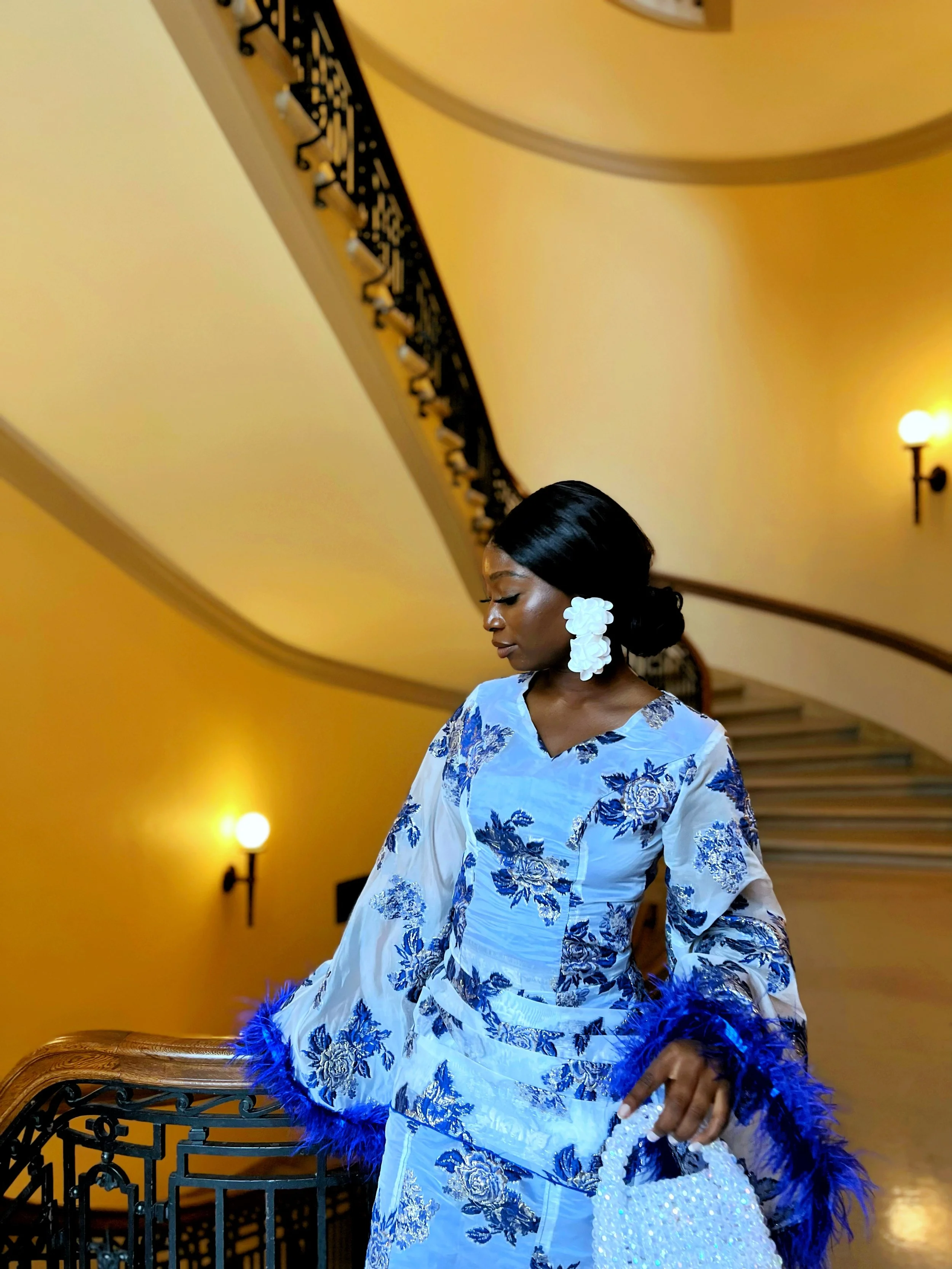
STORY OF JLX
JLX The Label is a West African luxury slow-fashion brand founded by Jael Providence, born in Ivory Coast and shaped by time spent across Ghana, Liberia, Nigeria and Sierra Leone. A fashion blogger since 2014, Jael spent over a decade watching the industry closely.
She saw the story of her continent being told the same way it had always been told, through someone else's lens, in someone else's language. As the proverb goes: "Until the lion learns to write, every story will glorify the hunter." JLX is Jael's answer to that, a label that lets the continent author its own story, in its own fabric, on its own terms.
JLX exists for the ambitious woman. The one who already knows who she is.
Made slowly. Made in Africa. Made to last.
OUR PRINTS. OUR WAY.
-
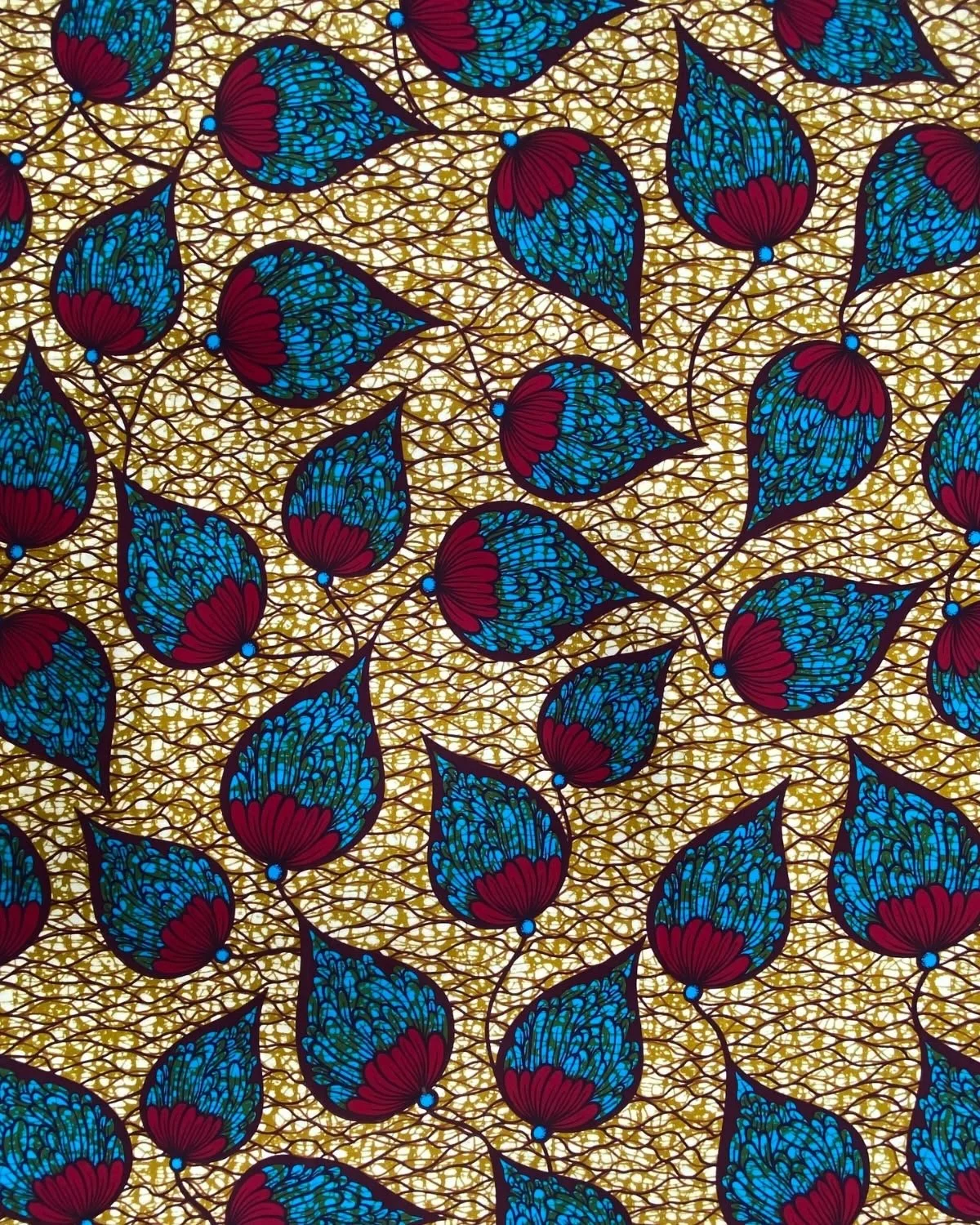
Ankara
Often called wax print, carries its own language across West Africa. Patterns are chosen and worn with intention: for celebration, for mourning, for status, for belonging. A single print can mean something different in Lagos than it does in Accra, and something different again from one household to the next.
At JLX, Ankara is never just decoration. Every piece carries a print chosen the way it's always been chosen with meaning attached.
-
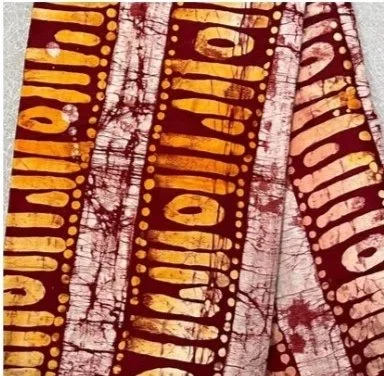
Adire
Adire, indigo-resist cloth, tied and dyed by hand, often by women whose entire livelihoods were built around it, carries patterns that speak, some named for proverbs, symbols, even history itself.
At JLX, it is worked in as accent and structure, never costume a nod to work that took generations to perfect, long before "slow fashion" needed a name.
-
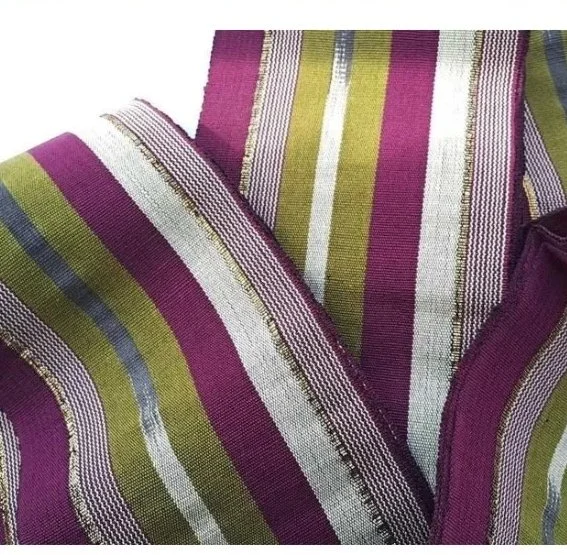
Aso Oke
Aso Oke is woven across many cultures in West Africa, known by different names in different places. Hand-woven on narrow looms, strip by strip, it's reserved for what matters, weddings, naming ceremonies, chieftaincy titles, the moments a family wants remembered.
At JLX, Aso Oke is worked in as accent and structure, never worn as costume a nod to work that takes years to weave, honored rather than imitated